
Or, How We Learned to Love All Olives
One of the coolest things about our house is two beautiful olive trees in the backyard, their bases thick and solidly grounded in the earth, with a crown of dusty green leaves that the lightest wind sets into a stately dance, seemingly facing each other. We call them Grandmother and Grandfather Olive, and several of the locals have told us they are definitely between 200 and 300 years old. The locals also set our dreams afire when they stated, a least a couple of them, that we would be getting at least 50 kilos of olives from each tree, and maybe even more from another tree that is around the side of the house.
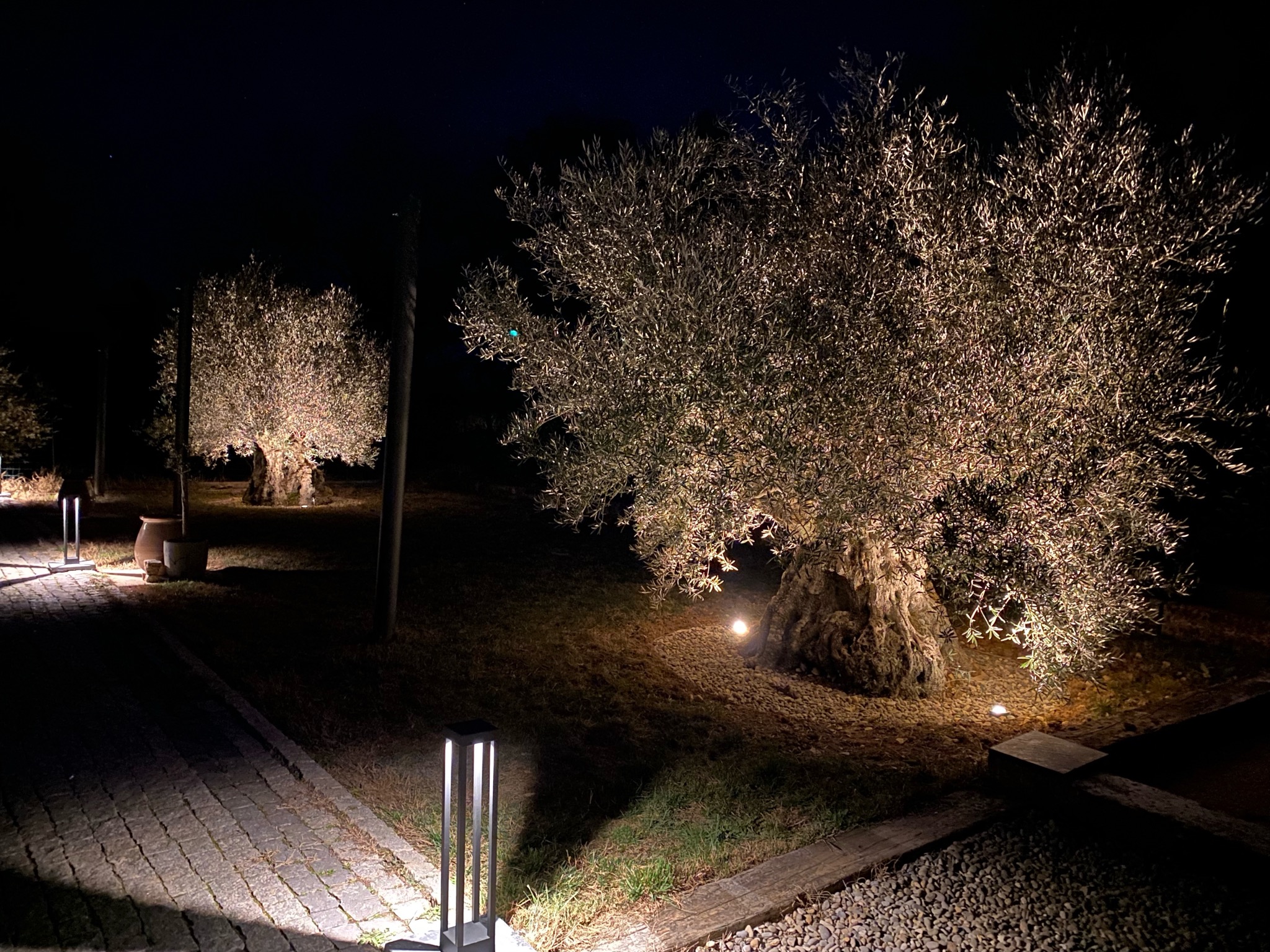
We immediately started making plans for a limited pressing of hand-labeled olive oil for the family and friends. “You’ll get 10-15 liters oil from each of your trees, no problem,” we were assured. Cecile commenced researching recipes to preserve olives, thinking of big vats of oil and stacks of glass jars filled with home-cured olives of many flavors we could roll out for aperitifs and dinners with visitors.
Then summer of 2022 came, with record-breaking heat waves and a draught across all of France. The trees were fine of course, enduring the trial with the stoicism they have gained across centuries, through wars and fires and all the upheavals that scribe the history of France. We were back in the states, so had no idea how the trees had fared through all that, but when we got there, I was happy to see branches laden with olives, at least as far I we could tell what laden was supposed to look like. Cecile did some more research about when the best time was to pick them and came back with as many opinions as olive varieties, and since everything she found came from the internet it had to be true, right?
The Internet (which talks to me on a first name basis) informed us that late October was the perfect time to pick them, that we should store them in jute bags (and we just happened to have a jute shopping bag available) and that there was a community olive oil press nearby.
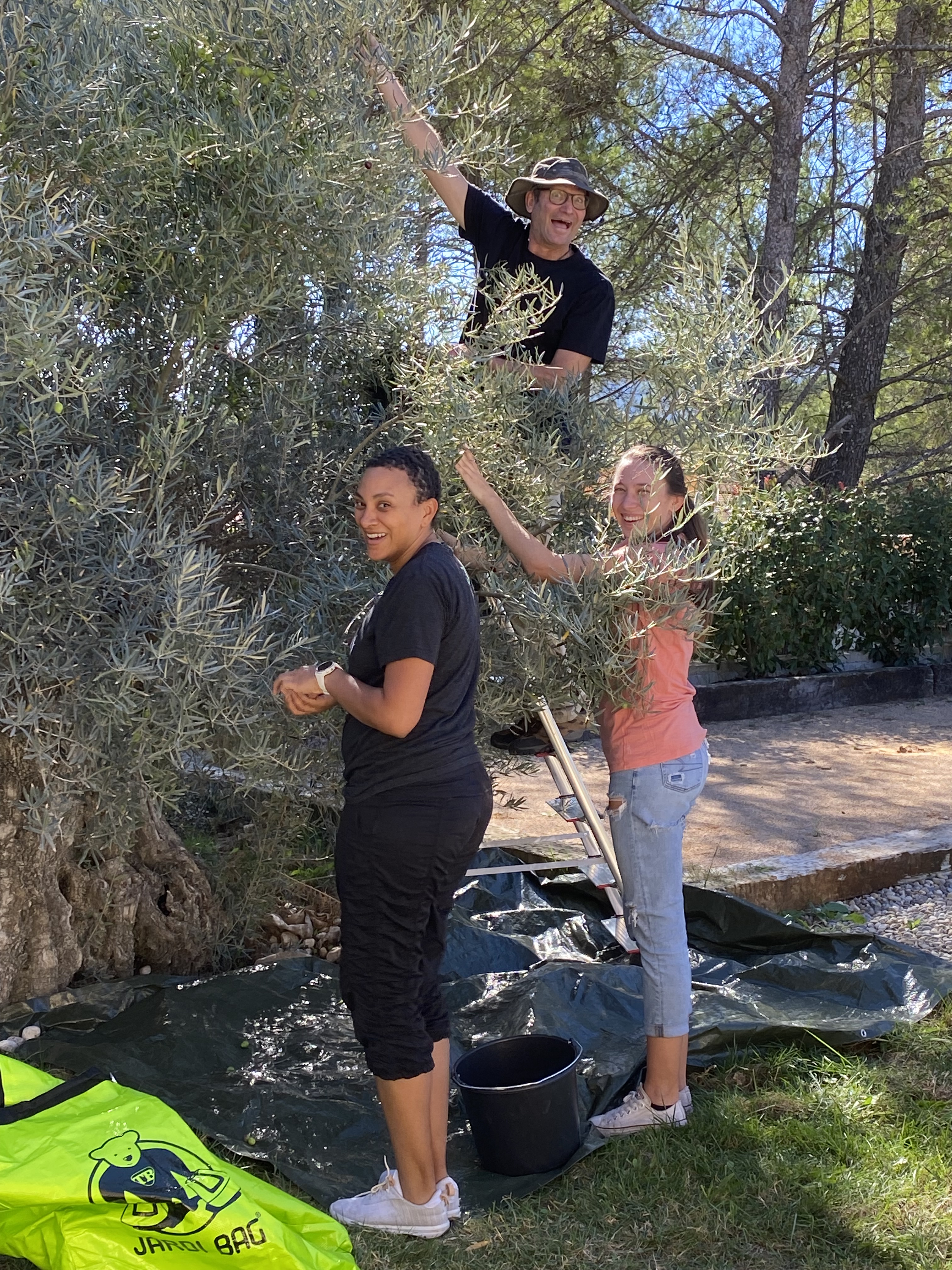
The weekend we planned to pick was a little earlier than perfect, but we had so many olives, how could a week make a difference? And we had the help of our visitors at the time (from the extended Cutrono-Malter clan), we rolled up our sleeves and got to picking. We were incredibly selective, picking only the finest green olives, and as always with such things, technique evolved with experience. I first picked them one by one, then a few at a time, and eventually I just cupped my hands and dragged them down each branch with all the gentleness of Japanese factory trawlers scraping Hawaiian reefs one step ahead of the Coast Guard—going with the Pick Em All, Let God Sort Em Out approach. In this case it wasn’t God but Cecile who did the quality control. When we were done, we had a huge bag of olives.
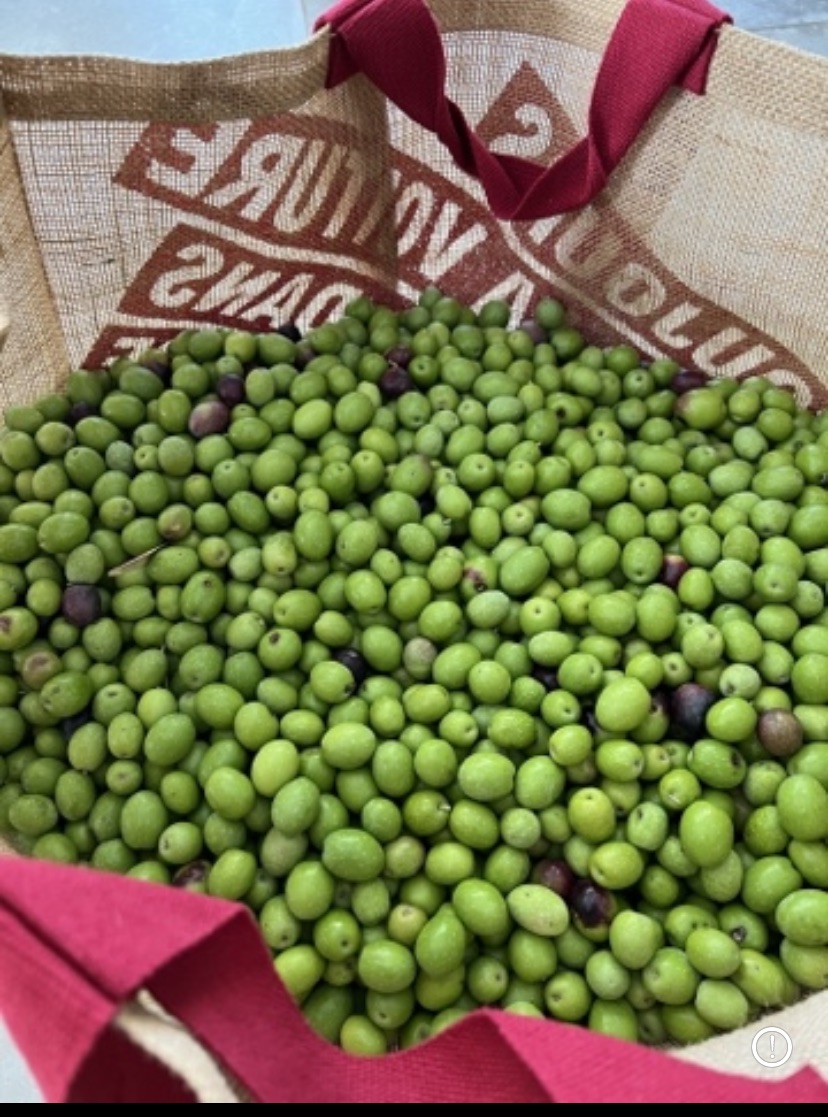
A variety of weighing methods led us to believe we likely had about 15 kilos. Not quite what we expected, but one of the locals had told us 7 kilos of oil per liter, so we’d still yield a solid couple liters. Off to the Moulin we went, jute bag in had, to drop off our harvest. When I pulled up in the parking lot at the Moulin à Huile du Partégas, we saw just how rookie we were. The locals had multiple boxes loaded with kilos of a mixture of black and green bounty, and some of the olives I could see in the mix were pocked and marked like they had been rolled down a hill of gravel, in marked contrast to our perfect spheres. Indignant but proud of our perfect olives (did I mention that Cecile had rejected and discarded as many olives as were in our jute bag?) We waited patiently to have our crop weighed, and in the end our green jewelry came in at about 15 kilos. The person doing the intake told us that in fact it is much better to wait until the olives were black, then they would yield twice as much oil. Thanks, Internet, for the advice.
We left happy anyway, in anticipation of coming back for our harvest later in the year. When we did return, we rolled up and, carefully cleaned 2-liter water bottles in hand, entered to receive the fruits of our labor. The result can be seen in this picture. By the way, the olive press also sells olive oil, just to hedge your bets, and of course we bought some. On the way home we stopped at the boulangerie in Gareoult, and picked up enough fresh bread to handle 5 liters of oil.
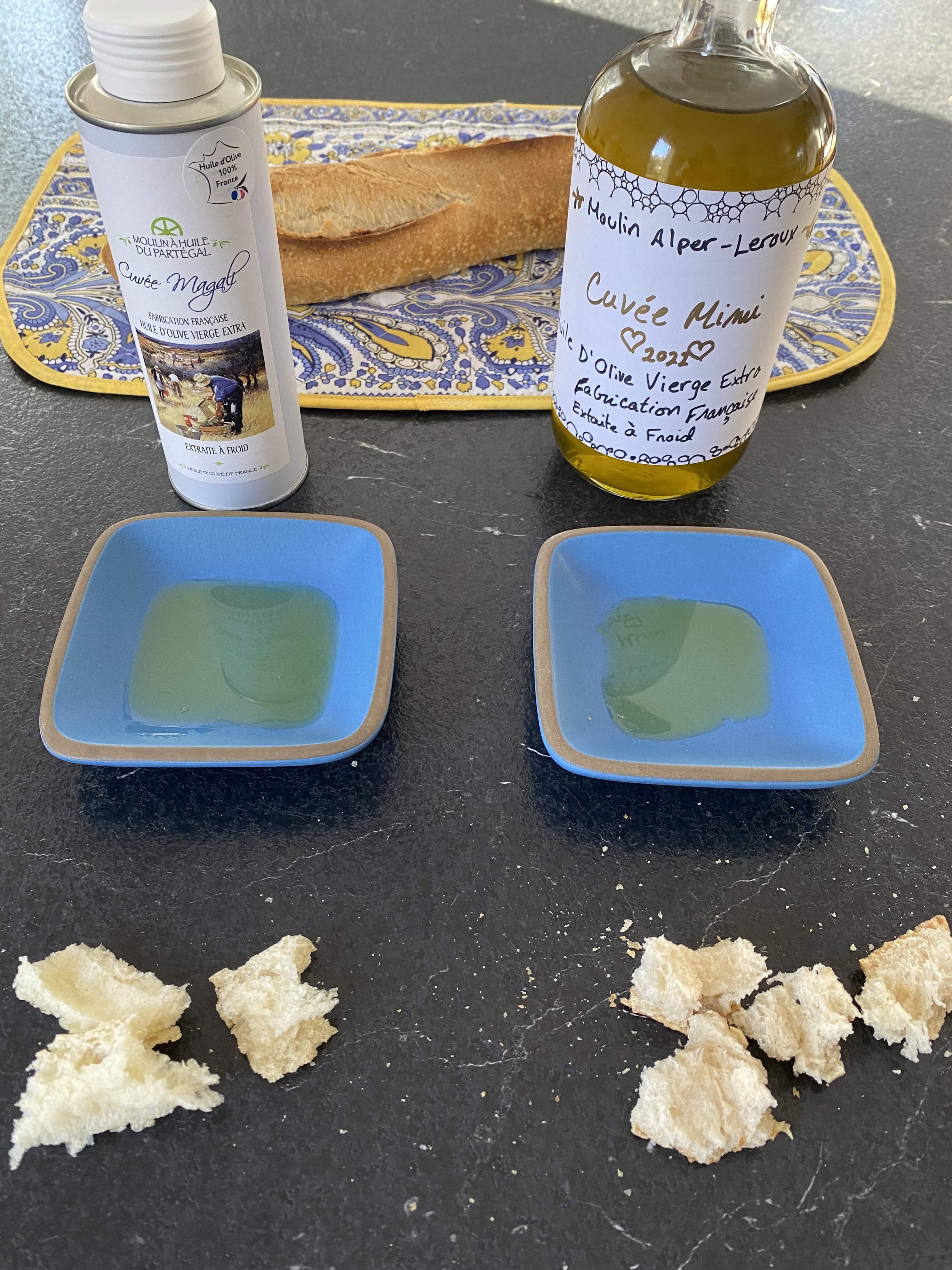
Eager with anticipation, we decanted out the first drops of L’Huile de Mimi (Mimi’s Oil, named after Cecile’s mom, whose ashes nourish the soil of Grandmother Olive since they were scattered there last year) and to my surprise at least, it was awesome. Best olive oil I had ever tasted. And yes, I am biased. But when we shared it with our French neighbors and our family, they agreed it was excellent. I think that is both true, and they are very polite.
Cecile’s initial batch of cured and brined olives from last year made it into our aperitif rotation by mid March, to rave reviews from guests and neighbors. And me of course.
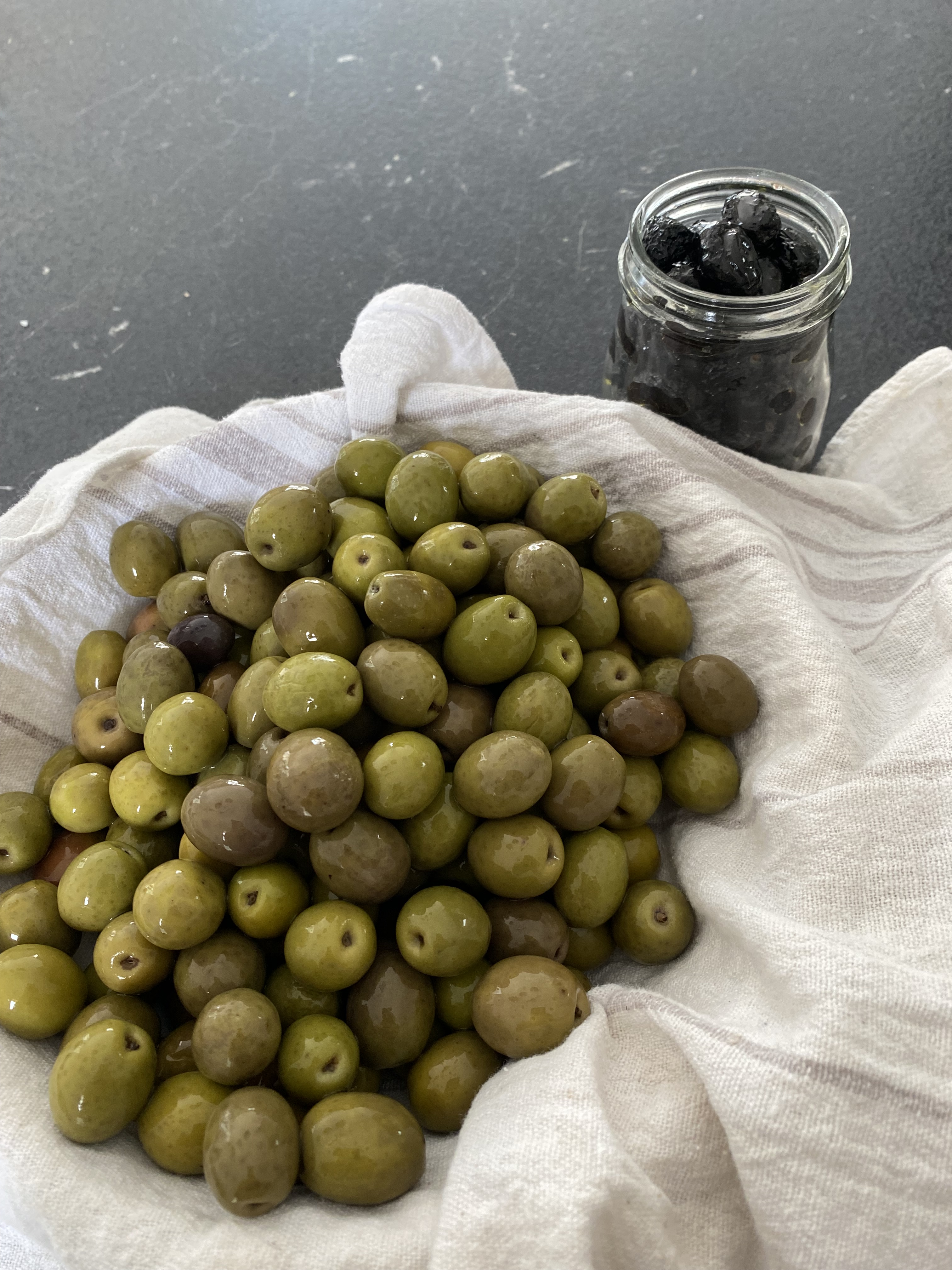
This year’s success led to big plans for the future.As our card-carrying Oleiculteur (olive oil grower and producer), Cecile’s long term plan is to get to the point where we yield 150 kilos of our own olives, then the press will do a run just for our oil rather than mixing it with the olives of our provencal neighbors. We will be there all summer so we can care for the trees, we have pruned the three we have and replanted two more (one was in a planter, the other placed in poor soil), and have high hopes for the coming harvest and the future.
The future is olive green, no wait, purple, and tastes really good!
 Limited Time Only